The Fair Price Protocol: a six-step habit to stop overpaying
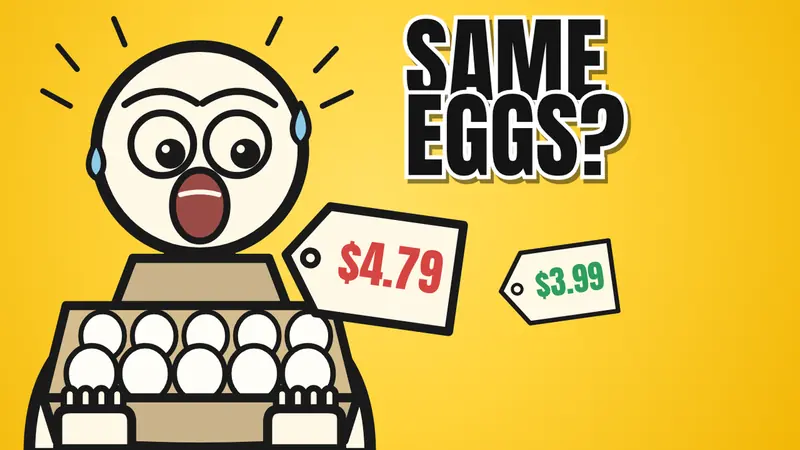
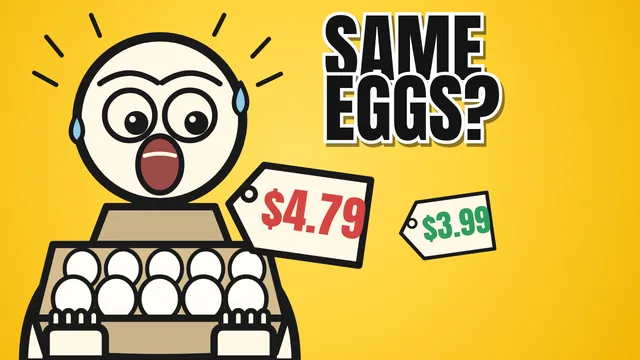
Here's something that feels unfair because it is a little unfair: you and your neighbour can buy the very same thing and pay different amounts. Same product, same day, different price. It isn't magic and it isn't always a mistake. It's how a lot of modern pricing works.
This article is the short, practical version. For the full explanation, read why two people pay different prices for the same thing and what the loyalty penalty is and how to beat it.
Pricing isn't one fixed number anymore
For many things we buy — insurance, internet, phone plans, travel, subscriptions — the price isn't carved in stone. It moves. It can move with demand, with the time of day, and sometimes with what a seller guesses about you: the device you're on, where you are, how you've behaved before, how likely they think you are to just say yes.
When a price is shaped around a person or a moment rather than a fixed list, small differences add up. Two people, two slightly different prices, and neither of them sees the other's screen.
The loyalty penalty
The strangest part is that staying put can cost you. In a lot of markets, the best offers are pointed at new customers — the people a company is trying to win. The people who already signed up and never looked again? Their price often drifts quietly upward, renewal after renewal.
So loyalty, the thing we think of as a virtue, can turn into a penalty. Not because anyone sent you a nasty letter, but because nothing pushed back. The default is to let it ride, and the default usually favours the seller.
You don't have to beat the system, just check it
The good news: you don't need to become a full-time deal hunter. You just need a habit that interrupts the drift. A few minutes of checking, done on purpose, cancels out most of the quiet creep.
Here are the six moves of the Fair Price Protocol:
- Set your number before you open the app. Decide the most you'll pay before you browse, and write it down. Never buy straight from a push notification.
- Do the second-screen check. For bigger purchases, look at the same item on a second device, logged out. A different price is your cue to ask the seller or buy elsewhere.
- Trust the price history, not the sale badge. "40% off" means little until you know what it cost before.
- Hold a Switching Day, once a year. List your contracts, get one new-customer price for each big one, then ask: "Can you match this, or should I switch?"
- Give your AI shopper rules. A hard budget it never reveals, at least three offers, and it asks you before any payment.
- Look for the label. Where the rules require shops to say a price was personalised, read the small print, and report it if it's missing.
That's it. No spreadsheets-of-doom, no confrontation, no gurus.
Make it a once-a-year thing
The checklist works best when it's a routine, not a one-off. Download the free Fair Price Protocol checklist and keep it somewhere you'll see it. If you'd like the whole thing turned into one calm hour a year — a tracker, calendar reminders and ready-to-use call and chat scripts — that's exactly what the Switching Day Kit is for.
And if you'd rather watch than read, this started as a video:
Fair isn't automatic. But it's usually just a few minutes away.
Education only, not financial, investment, tax or legal advice. Found an error? Email coinandcortex@gmail.com and we'll fix it.
Keep reading
-
Start here
Personalized Pricing: Why You and Someone Else Pay Different Prices for the Same Thing
Personalized pricing means two shoppers can pay different prices for the same item. See how it works, what the evidence shows, and six ways to pay less.
-
The Loyalty Penalty: Why Loyal Customers Pay More (and How to Stop It)
The loyalty penalty means long-standing customers often pay more than new ones. Learn why it happens and how to stop overpaying on your bills.
-
Start here
Lifestyle Creep: Why Earning More Doesn't Make You Richer (and How to Stop It)
Lifestyle creep quietly eats every raise you earn. Learn why it happens and a simple rule to keep more of your money without feeling deprived.
-
Start here
Why Do We Work 40 Hours a Week? The Surprising History (and What It Means for Your Money)
Why do we work 40 hours a week? The real history of the 40-hour week, why Keynes's 15-hour prediction flopped, and how to price your time in life-hours.