The Coin & Cortex blog
Plain-English guides to the psychology of money: why we overpay, overspend and overthink, and the small, practical systems that fix it. Every article links its sources. Pick a topic below, and start with the article marked "Start here".
Fair prices
Personalized and dynamic pricing, the loyalty penalty, and simple habits to stop overpaying.
-
Start here
Personalized Pricing: Why You and Someone Else Pay Different Prices for the Same Thing
Personalized pricing means two shoppers can pay different prices for the same item. See how it works, what the evidence shows, and six ways to pay less.
-
The Fair Price Protocol: a six-step habit to stop overpaying
A plain-English look at personalised and dynamic pricing, the loyalty penalty, and a simple six-step habit to get a fair price.
-
The Loyalty Penalty: Why Loyal Customers Pay More (and How to Stop It)
The loyalty penalty means long-standing customers often pay more than new ones. Learn why it happens and how to stop overpaying on your bills.

Money mind
Why clever people still make money mistakes, and the systems that beat willpower.
-
Start here
Why Smart People Stay Broke: The Psychology of Financial Intelligence
Why are smart people bad with money? A high IQ grows your income, not your savings. Here is the psychology, plus five simple systems that keep more of it.
Spending & lifestyle creep
Why earning more doesn't automatically make you richer, and how to keep more of each raise.
-
Start here
Lifestyle Creep: Why Earning More Doesn't Make You Richer (and How to Stop It)
Lifestyle creep quietly eats every raise you earn. Learn why it happens and a simple rule to keep more of your money without feeling deprived.
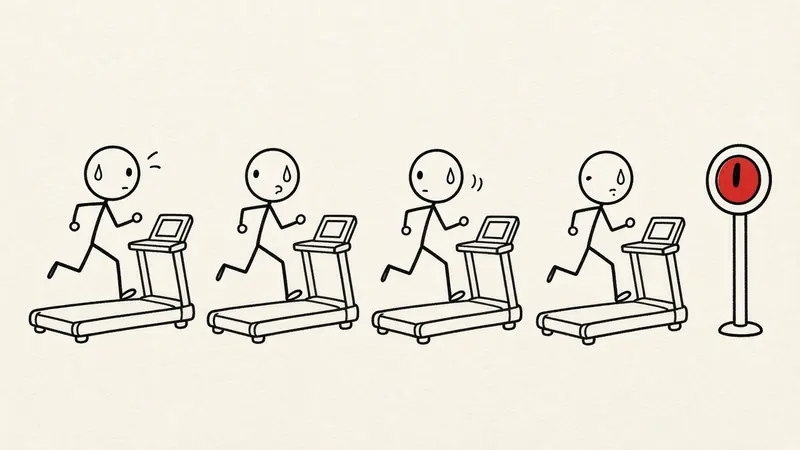
Work, time & money
Where the 40-hour week came from, and how to think about money as hours of your life.
-
Start here
Why Do We Work 40 Hours a Week? The Surprising History (and What It Means for Your Money)
Why do we work 40 hours a week? The real history of the 40-hour week, why Keynes's 15-hour prediction flopped, and how to price your time in life-hours.